
Introduction
“Justice begins at home.” I once heard that during a legal ethics seminar, and it sounded good at the time. But lately, I’ve been thinking about it differently.
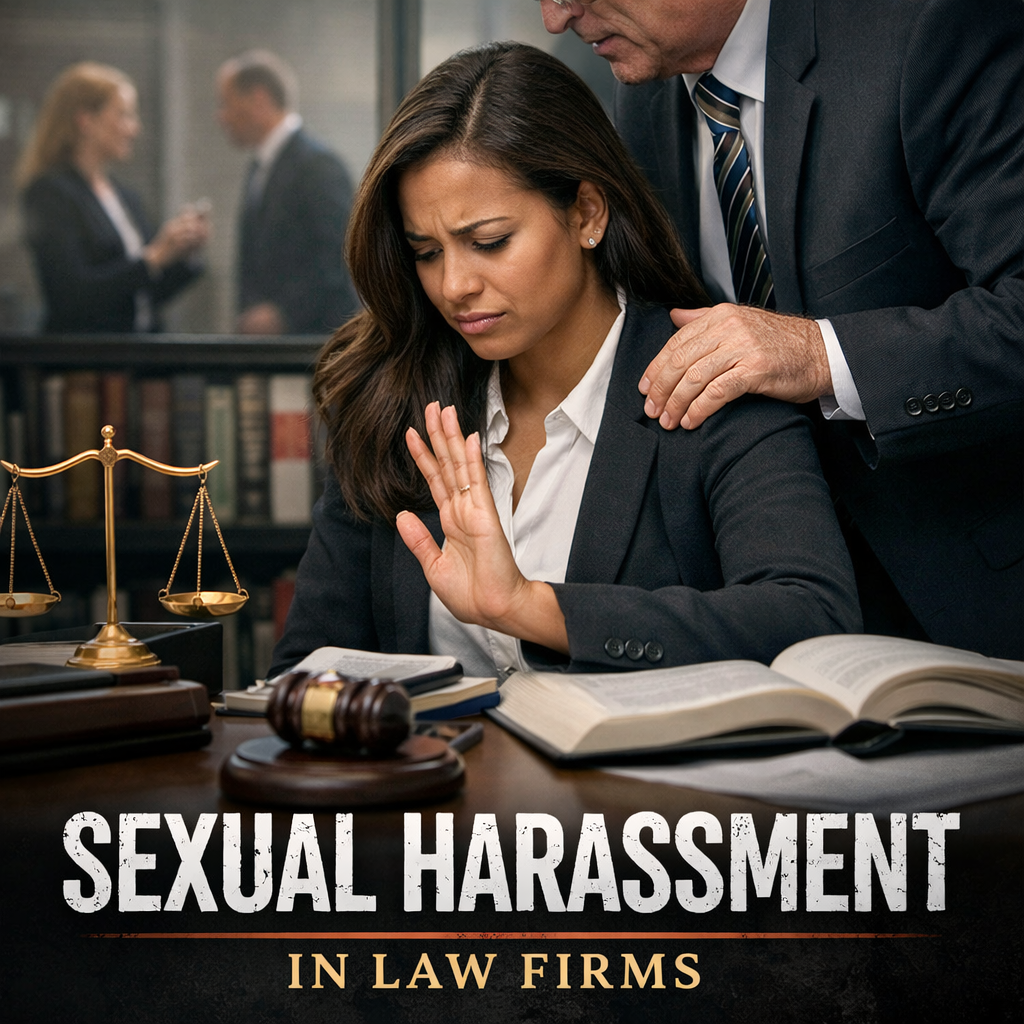
Because here’s the uncomfortable truth — the legal profession is under scrutiny right now. Sexual harassment in law firms is trending. And not in a small way.
When a profession built on justice, ethics, and accountability starts facing allegations of workplace misconduct internally, people notice. Clients notice. Junior lawyers notice. The public definitely notices.
And I’ve seen this before in other industries. When misconduct is tolerated quietly for years, eventually something breaks. Then everything spills out at once.
What we’re seeing now — rising complaints, institutional pressure, scheduled walks, public statements — isn’t random. It’s a shift in legal workplace culture. It’s a demand for reform.
This article isn’t about sensationalism. It’s about understanding what’s happening inside law firms, why sexual harassment cases are increasing, what institutional accountability really looks like, and how collective action is reshaping professional standards.
And I’ll be honest — some of this is uncomfortable to talk about. But that discomfort? That’s usually where growth starts.
The Rise in Sexual Harassment Allegations in Law Firms
Let me start with something personal.
Early in my professional life, I noticed how quiet certain rooms could get when senior partners walked in. Respect was there, yes. But fear too. It was subtle, almost invisible.
Law firms are hierarchical by design. That hierarchy creates opportunity — mentorship, training, growth — but it also creates power imbalance. And when power is uneven, abuse can happen.
Sexual harassment in law firms typically involves:
- Unwanted advances by senior advocates
- Suggestive comments framed as “jokes”
- Inappropriate messages outside working hours
- Career threats tied to personal compliance
- Hostile workplace environments
What’s different now is that people are reporting it.
For years, many junior lawyers tolerated behavior because they feared retaliation. Your reference letter. Your pupillage confirmation. Your exposure to high-profile cases. All tied to someone above you.
I once watched a talented intern withdraw from an opportunity after repeated uncomfortable remarks from a supervisor. She didn’t report it. She just left. That happens more than people think.
The surge in complaints we’re seeing now isn’t necessarily because misconduct suddenly increased. It’s because silence decreased.
And that shift matters.
Sexual harassment in the legal workplace thrives in environments where performance pressure is high and internal complaint systems feel risky. Billable hours. Long nights. Private client meetings. Travel.
That’s a perfect storm.
It is often said that “law is demanding.” True. But demanding doesn’t justify misconduct.
Another thing people underestimate is emotional toll. Anxiety. Self-doubt. Professional isolation. Some lawyers begin questioning their own perception.
Was that inappropriate?
Am I overreacting?
Will reporting ruin my career?
That mental spiral is exhausting.
From a compliance perspective, law firms are obligated to maintain safe workplaces under employment law and professional conduct rules. But compliance on paper is different from lived experience.
The rise in sexual misconduct allegations is forcing firms to confront culture, not just policy. And culture is harder to change.
But it can be changed.
Institutional Accountability and Disciplinary Challenges
Now here’s where things get complex.
Professional bodies and disciplinary tribunals are tasked with handling complaints of misconduct. That sounds reassuring in theory.
In practice? It’s often slow.
Investigations must be conducted. Evidence reviewed. Due process followed. That part is necessary. Fairness matters.
But when cases drag on for months or years, complainants feel unheard. And sometimes outcomes are confidential, which creates public skepticism.
I’ve sat through institutional processes before — not related to this issue specifically — and I remember thinking how overwhelming procedural language can feel. Forms. Submissions. Technical rules.
For someone already dealing with trauma, that process can feel like climbing a mountain barefoot.
Common disciplinary challenges include:
- Delays in hearings
- Limited transparency
- Fear of reputational damage
- Internal conflicts of interest
- Limited whistleblower protections
Sometimes institutional independence is cited. “We cannot interfere.” “Procedures must be respected.”
All true. But tone matters.
When leadership responses sound defensive rather than empathetic, trust erodes quickly. And once trust erodes, collective frustration grows.
The legal profession must balance two things carefully:
- Protecting due process for accused advocates
- Protecting complainants from retaliation
Both matter.
But historically, many institutions leaned heavier toward reputational protection. And that perception is what fuels public scrutiny.
There is also the issue of internal reporting mechanisms. If complaints are handled internally before reaching tribunals, transparency becomes even more critical.
One mistake I’ve seen organizations make is assuming that silence equals stability. It doesn’t. It often means fear.
Institutional accountability is not just about punishment. It’s about restoring confidence.
When disciplinary systems work properly, they:
- Investigate independently
- Protect confidentiality
- Prevent retaliation
- Communicate outcomes appropriately
- Implement corrective reforms
Without those steps, skepticism spreads.
And in 2026, skepticism spreads fast.
Collective Action, Walks, and the Shift in Legal Workplace Culture
This part fascinates me.
Lawyers are not typically known for public demonstrations. We argue in courtrooms, not streets.
So when members of the legal profession organize scheduled walks against sexual harassment, it signals something serious.
Collective action happens when internal trust feels insufficient.
I remember watching another industry go through this years ago. At first, leadership dismissed the protests as emotional reactions. But momentum built.
Solidarity changes everything.
When junior lawyers see their peers speaking out, fear reduces. When senior advocates join in support, credibility increases.
Collective action in the legal sector serves several purposes:
- Raises awareness
- Accelerates reform
- Signals zero tolerance
- Encourages reporting
- Protects vulnerable professionals
It also shifts power dynamics.
When individuals speak alone, they risk isolation. When they speak together, they create protection.
And let’s talk about reputational risk.
Law firms operate on trust. Clients hire firms based on credibility and ethical standards. Sexual misconduct allegations damage brand equity quickly.
Scheduled walks, public statements, and professional forums discussing harassment are forcing firms to take workplace culture seriously.
Some leaders feel uncomfortable with public pressure. I understand that instinct. But reform rarely begins in comfort.
There is also a generational shift happening. Younger lawyers expect transparency. They value mental health. They reject toxic hierarchy.
That cultural evolution cannot be reversed.
Collective action doesn’t mean chaos. It means accountability.
And accountability strengthens institutions long-term.
Practical Steps Law Firms Must Take to Prevent Sexual Harassment
Now let’s get practical. Because awareness without action is just noise.
I’ve seen beautifully drafted anti-harassment policies that did nothing. They were written in perfect legal language. They were circulated by email.
And then ignored.
A functional sexual harassment prevention strategy must include:
1. Clear, Specific Anti-Harassment Policies
Policies must define:
- What constitutes sexual harassment
- Reporting procedures
- Investigation timelines
- Disciplinary consequences
Ambiguity creates loopholes.
2. Confidential Reporting Channels
Employees must feel safe reporting misconduct. That may require:
- Anonymous reporting platforms
- External HR consultants
- Independent ombuds offices
Fear of retaliation is the biggest barrier to reporting.
3. Mandatory Ethics and Workplace Conduct Training
Annual training should cover:
- Power imbalance awareness
- Professional responsibility
- Gender sensitivity
- Bystander intervention
Training must be practical, not theoretical.
I once attended a compliance training that was entirely slideshow-based. No scenarios. No interaction. It was forgotten within a week.
Interactive sessions work better.
4. Leadership Accountability
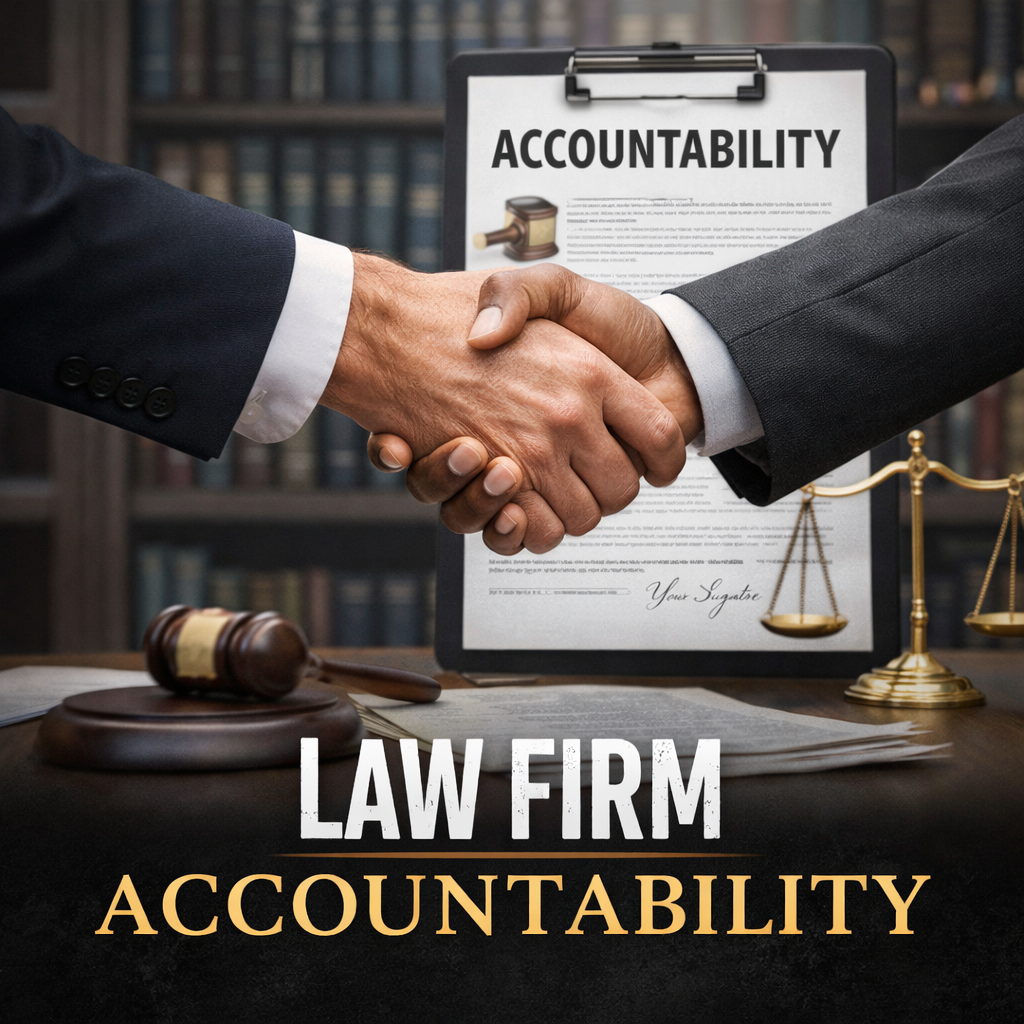
Culture flows from the top.
If senior partners dismiss inappropriate jokes, culture follows. If leadership models respect, culture improves.
Zero tolerance must mean zero tolerance.
5. Transparent Investigations
While respecting confidentiality, firms should communicate that investigations occur and standards are enforced.
Silence breeds speculation.
6. Culture Audits
Anonymous surveys help identify hidden issues. Quarterly reviews encourage accountability.
It was uncomfortable when one organization implemented culture audits. But within a year, employee trust improved.
Prevention is cheaper than crisis management.
Sexual harassment lawsuits, reputational damage, talent loss — these cost far more than proactive policy enforcement.
And here’s something simple but powerful: mentorship boundaries.
Clear guidelines around mentorship interactions, travel policies, and after-hours communication reduce gray areas.
Prevention is about clarity.
Conclusion
The legal profession is facing a defining moment.
Sexual harassment in law firms is no longer hidden. Institutional accountability is being questioned. Collective action is reshaping workplace expectations.
And honestly? That’s not a bad thing.
Reform is uncomfortable. Growth always is.
Law firms must:
- Review workplace harassment policies
- Strengthen reporting mechanisms
- Enforce professional conduct rules
- Protect junior lawyers
- Embrace transparency
Justice begins internally.
If the legal profession demands accountability from society, it must demonstrate accountability within its own walls.
I encourage every law firm partner, associate, and intern reading this to reflect honestly.
What culture are we building?
What behavior are we tolerating?
What example are we setting?
If you’ve seen positive reforms in your firm, share them. If you’ve learned hard lessons, talk about them.
Because silence protects the powerful.
But transparency protects the profession.
And we can do better.
sexual harassment in law firms
legal workplace misconduct
law firm ethics
professional misconduct lawyers sexual harassment in law firms
advocates disciplinary tribunal
law society accountability
legal ethics compliance sexual harassment in law firms
power imbalance in law firms
junior lawyers harassment
legal profession reform sexual harassment in law firms
workplace harassment policy
zero tolerance policy sexual harassment in law firms
gender discrimination law
legal industry scandal sexual harassment in law firms
law firm compliance
employee rights in law firms
professional responsibility lawyers
legal workplace culture
anti-harassment training sexual harassment in law firms
law firm governance
ethical leadership law firms
reporting workplace harassment
legal ethics violations sexual harassment in law firms
law society reforms
disciplinary proceedings lawyers
sexual misconduct allegations sexual harassment in law firms
law firm HR policies
whistleblower protection lawyers
legal compliance standards sexual harassment in law firms
law firm management risks
corporate governance in law firms
safe workplace policies
legal sector accountability
workplace investigations
law firm best practices sexual harassment in law firms
employment law compliance
legal ethics 2026
legal industry transparency
professional standards lawyers sexual harassment in law firms
legal sector reforms
collective action lawyers sexual harassment in law firms
legal community solidarity
law firm crisis management
law firm reputation risk sexual harassment in law firms
legal workplace discrimination
employee protection policies
legal ethics training
law firm regulatory compliance
workplace grievance procedures sexual harassment in law firms
professional conduct rules

Monetize your traffic instantly—enroll in our affiliate network!
https://shorturl.fm/FhqH2
https://shorturl.fm/P2Pqx
https://shorturl.fm/XGqme
https://shorturl.fm/UF64h
https://shorturl.fm/hBKLH
https://shorturl.fm/nGz7i
https://shorturl.fm/ePMFr
https://shorturl.fm/M4g3t
https://shorturl.fm/RGVsm